The best start is often organizing simple data that nobody has connected before.
Protocol
Care built around one person.
Protocol is not a single test. It is an individualized medical service: conversation, basic labs, biomarkers, record review, physician interpretation, and deeper analysis only when it adds real value.
01Conversation and goal
First we understand what you are trying to learn.
02Labs and records
Bloodwork, history, medications, symptoms, and previous results.
03Interpretation
A physician decides what the result does and does not mean.
04Plan and follow-up
Prevention, next tests, coordination, and updates over time.
Not only DNA/RNA
Useful care first. Advanced biology only when it helps.
We help the process move without losing context between visits and results.
WES/WTS or other layers are added when the medical question actually needs them.
Estimate
Scope and cost depend on qualification.
StartConsultation, records, and basic labsusually hundreds to low thousands of PLN, depending on the test scope.
ExpandedBiomarkers, pharmacogenomics, or broader interpretationoften several thousand PLN when the clinical question requires it.
AdvancedGenomics/RNA, follow-up, and coordinationscoped after qualification; staged testing and installments can be discussed.
This is not a diagnosis or guarantee of findings. Final scope is set after conversation, records, and medical interpretation.
Protocol physicians
Interpretation is part of the service.
Protocol does not end with a result. Its value appears when biological data, basic labs, patient history, and consultation are brought into one process.
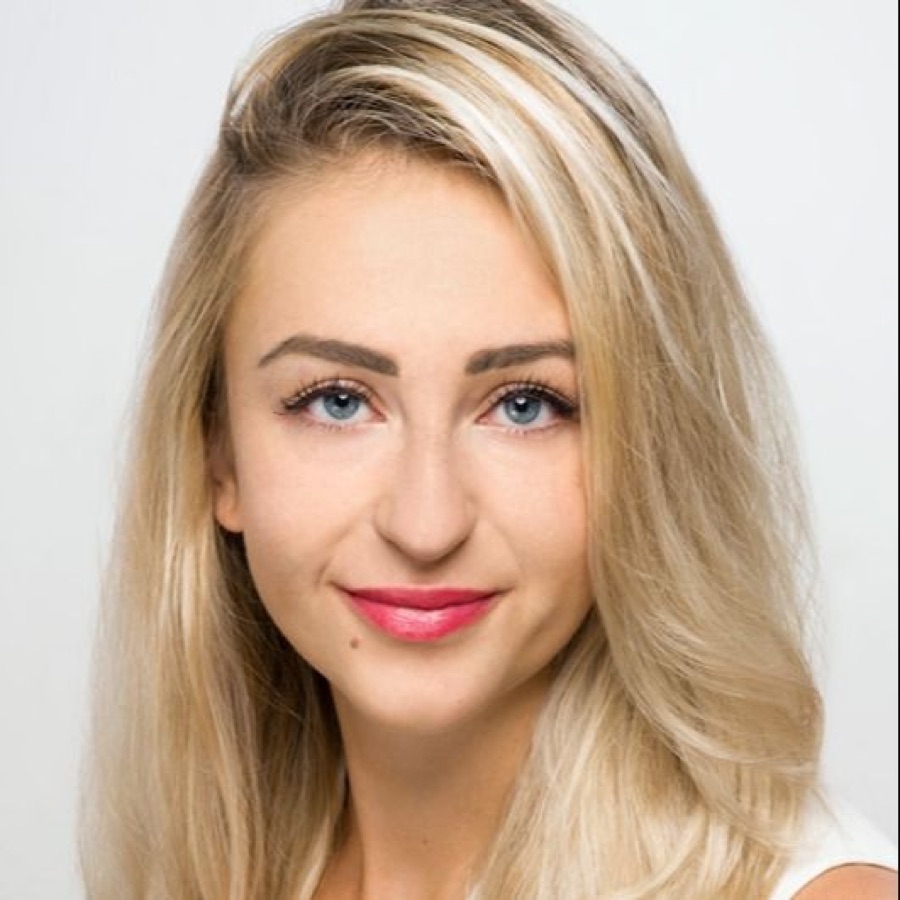
Clinical Geneticist Dr. Małgorzata Ponikowska, MD A graduate of the Medical University of Gdańsk
“We combine DNA and RNA analysis in one process. This gives a fuller picture — not a fragment, but the patient's story seen more completely.”

Specialist Sandra Kacprzak, MD A graduate of the Medical University of Gdańsk
“Every result is the beginning of a conversation with the patient, not the end. That is why consultation is an integral part of Protocol.”
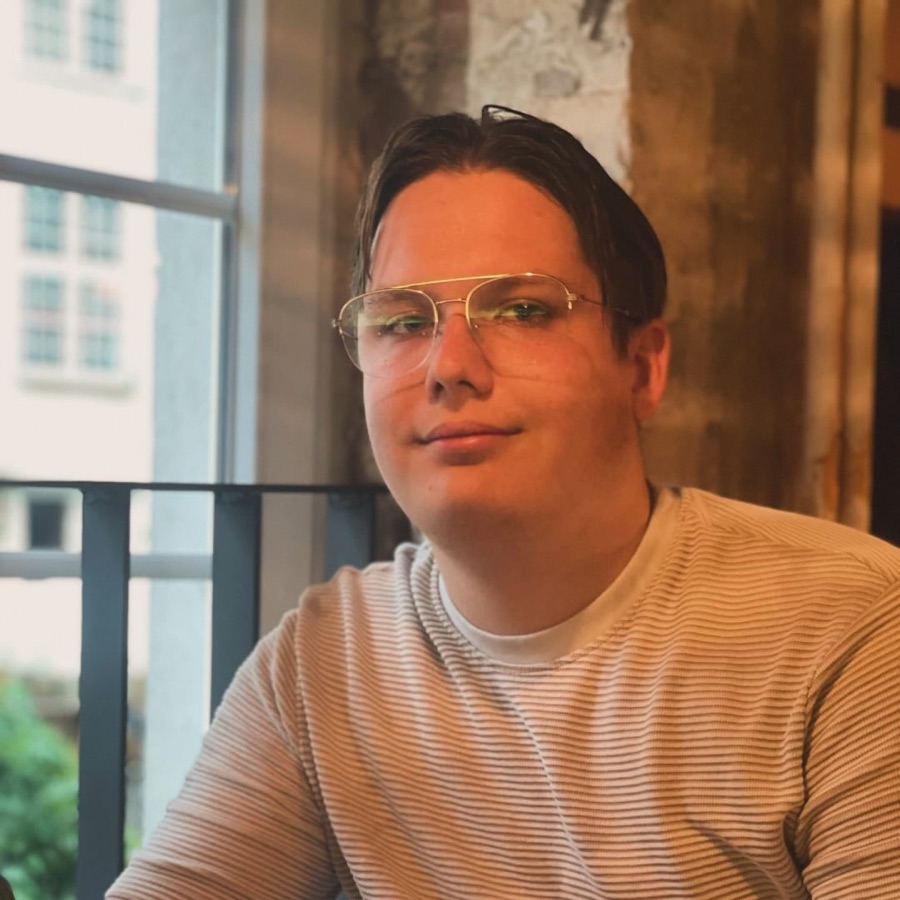
Specialist Maciej Jakubik, MD A graduate of the Medical University of Gdańsk
“We see patients who have spent years searching for answers. Protocol is meant to shorten that journey from months to weeks.”
Academic centers
Doctors collaborating with Protocol were educated at leading academic centers in Poland, Europe, and the United States.





FAQ
Questions before the first conversation.
Is Protocol a genetic test?
No. Protocol is an individualized care process. It may include basic labs, biomarkers, record review, medical concierge, consultation, and only then genomics or RNA if a physician thinks it is useful.
Do I need to know which tests to choose?
No. The form is meant for your goal, symptoms, history, or question. After qualification, we suggest the first sensible step instead of starting with a long menu of tests.
Are DNA and RNA always needed?
No. Sometimes the highest value comes from organizing records, basic labs, or pharmacogenomics. Advanced layers are added only when they can help interpretation.
Can the process be staged?
Yes. In many cases it is better to begin with consultation and basic data, then expand only if needed. Installments can also be discussed.
Does Protocol replace my physician?
No. Protocol helps build a better patient picture and prepare interpretation that can support medical discussion. It is not emergency care or a replacement for ongoing medical care.
Inquiry
Tell us what you are trying to understand. We will suggest the first sensible step.
You do not need to know the names of the tests. Describe the problem, goal, or situation. We will reply with qualification questions and a next step.