Pathogenic variants, carrier status, pharmacogenomic markers, cancer predisposition, VUS tracking, and re-interpretation as evidence changes.
Protocol
A molecular baseline a department can actually use.
Protocol is Sarovi's end-to-end NGS and clinical intelligence workflow: qualification, blood draw, DNA/RNA sequencing, biomarker interpretation, clinician review, and longitudinal updates that can feed a patient's digital model.
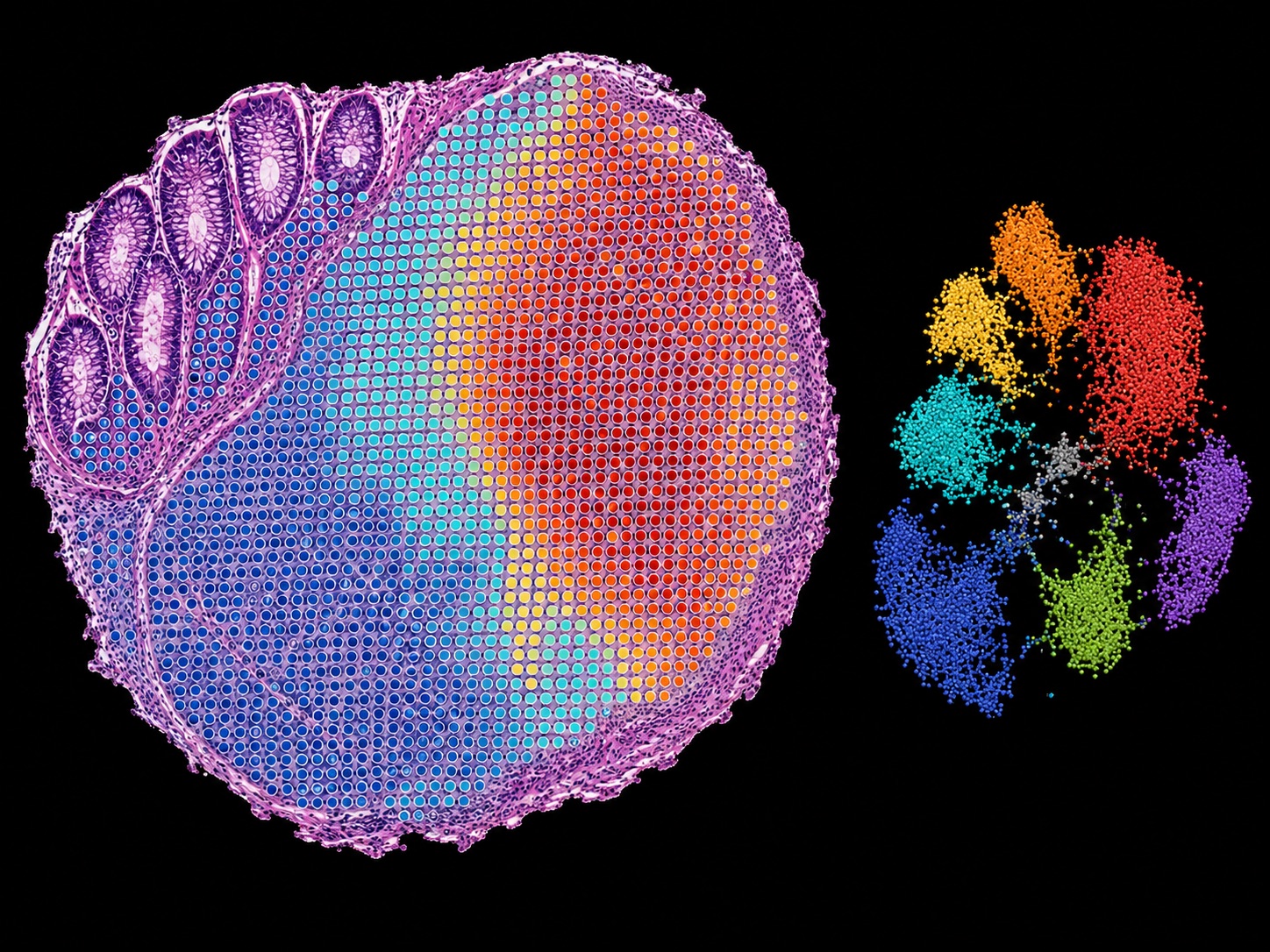
InputOne blood-based molecular workup
Coverage20,000+ genes with DNA and RNA context
SignalsVariants, expression, immune, drug response, pathways
OutputA structured baseline for care and follow-up
Clinical workflow
From blood draw to a usable patient baseline.
The point is not to give a department another isolated genomics PDF. The point is to turn molecular testing into a clinical process with provenance: what was collected, how it was processed, what changed the interpretation, and what should be followed over time.
- 01Qualification and consent
Clinical indication, specialty context, prior records, patient-reported history, consent, privacy scope, and data-use boundaries are captured before the sample exists.
- 02Blood collection and chain of custody
Sample logistics, accessioning, QC, metadata, and traceability are treated as part of the medical record, not as a hidden lab operation.
- 03DNA and RNA sequencing
Whole-exome sequencing and whole-transcriptome sequencing can be run from the workup, with DNA explaining inherited or acquired variation and RNA showing active expression state.
- 04Bioinformatics processing
Alignment, variant calling, annotation, expression analysis, fusion detection, pharmacogenomic flags, immune signals, and pathway-level summaries become structured data.
- 05Clinical interpretation
Findings are reviewed against phenotype, medications, family history, symptoms, labs, imaging, and specialty-specific questions instead of being read in isolation.
- 06Baseline and follow-up
The output becomes a baseline that can be refreshed with new labs, imaging, symptoms, treatments, and RNA follow-up rather than a one-time report.
What the analysis is for
NGS becomes clinically useful only when it is connected.
WES/WTS is powerful, but the clinical value comes from connecting it to the problem the physician is trying to solve: unexplained inflammation, suspected rare disease, therapy selection, oncology risk, drug response, chronic symptoms, or a prevention plan that needs a better baseline.
Expression shifts, pathway activity, immune activation, fusion signals, disease-state clues, and follow-up signals that static DNA cannot show.
Symptoms, phenotype, medications, labs, imaging, notes, and family history decide what the molecular result actually means.
Structured features are passed forward into Continuum so the baseline can support trajectory, risk, and future comparisons.
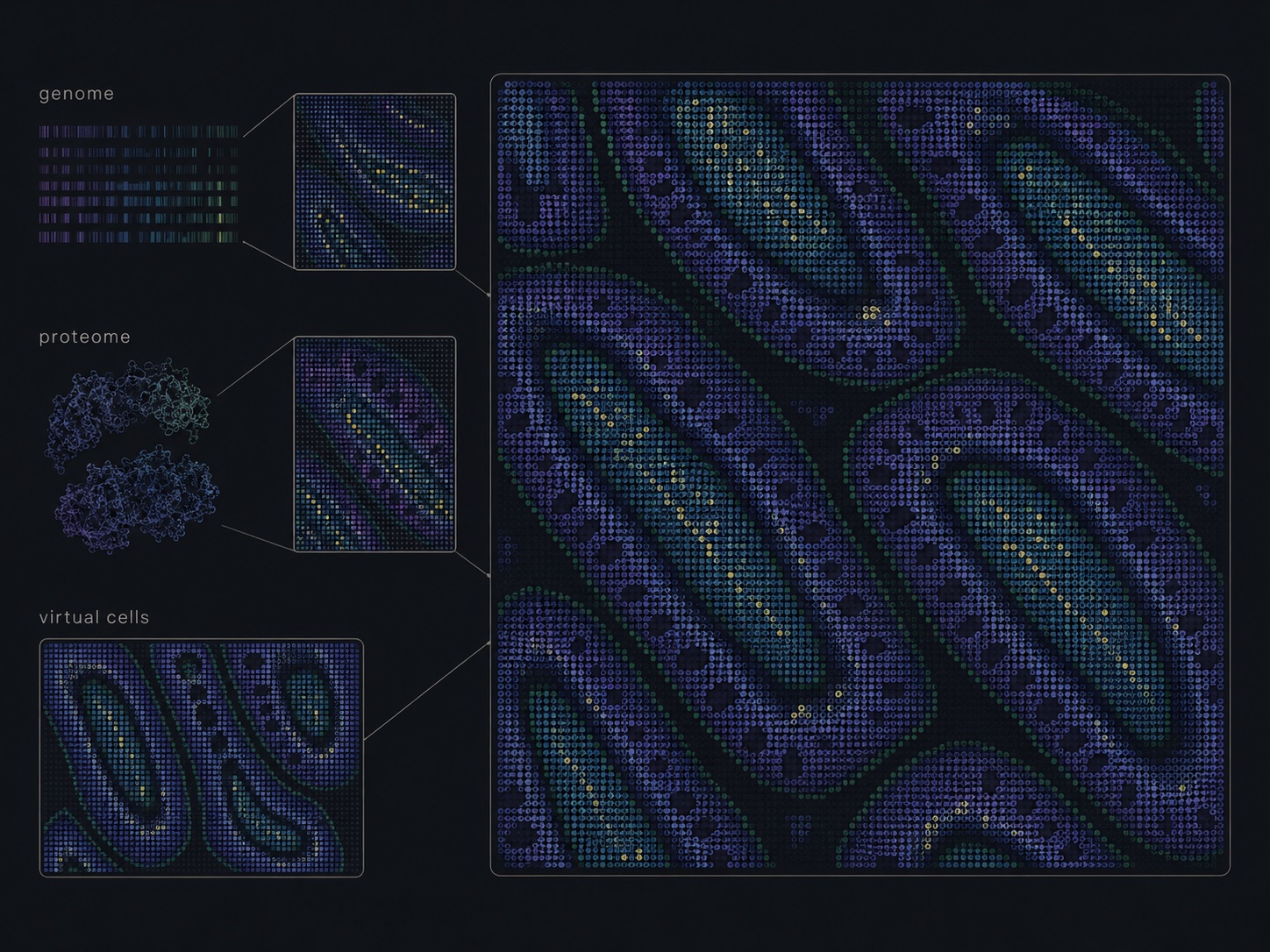
Protocol is designed to connect variant evidence, transcriptomic state, biomarker history, and clinical phenotype into one interpretable layer.
Department use cases
Built for questions that ordinary testing leaves open.
AutoimmunityPatients with chronic inflammatory symptoms, negative or partial standard workups, therapy uncertainty, or suspected immune-pathway activation.
OncologyPredisposition, therapy response, tumor-board context, family risk, pharmacogenomics, and molecular evidence that can sit beside imaging and pathology.
Rare diseaseDiagnostic odysseys where exome-level evidence, phenotype matching, VUS tracking, and re-analysis can reduce repeated fragmented referrals.
Cardio-metabolicHereditary risk, drug metabolism, endocrine signals, lipid or glucose pathway questions, and prevention plans that need deeper baseline context.
PharmacogenomicsMedication selection and adverse-response risk when a department wants structured drug-gene evidence available inside the patient workspace.
Protocol does not replace standard diagnostics, clinical examination, imaging, or specialist judgment. It is intended to add a molecular layer that can be reviewed, questioned, updated, and connected to care.
Scope planning
The scope should follow the medical question.
For a clinical program, scope depends on indication, volume, turnaround, interpretation depth, integrations, governance, and whether the department needs a narrow workflow or a full molecular layer.
Best when a department wants to validate workflow, qualification, reporting, and interpretation for one patient group.
Adds sample standards, bioinformatics, physician review, data audit, and integration with existing clinical work.
For institutions that need updates, follow-up, reanalysis, and connection into SaroviX and Continuum.
Clinical pricing is scoped after the medical aim, volume, data requirements, and responsibility model are clear. It is not designed as a package menu.
Why it belongs in the system
The baseline is only valuable if it survives the visit.
A molecular workup becomes far more useful when it is not trapped at one moment in time. Protocol feeds SaroviX for clinician review and Continuum for longitudinal modeling, so future changes can be compared against the patient's own baseline.
ProtocolBaseline
SaroviXReview
ComputeAnalysis
ContinuumTrajectory
Care teamDecision
Design the molecular layer around the clinical question.
Protocol is the starting layer for departments that want NGS to become part of care infrastructure, not a detached report.
Discuss a clinical pilot ->